
Mortgage Prisoners
Home energy advice made for mortgage prisoners
Are you a mortgage prisoner* struggling to pay your heating and electricity bills, and/ or facing challenges with your energy provider?
We offer a FREE dedicated service with friendly advisors trained in the situation facing mortgage prisoners.
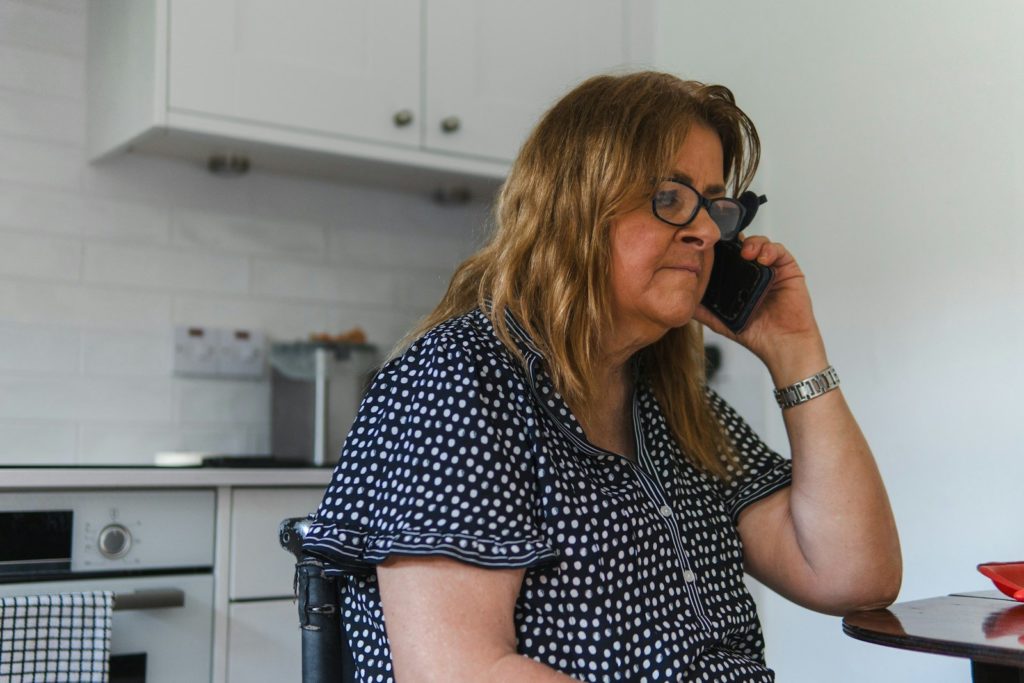
How we can help
Our service provides practical, low-cost energy saving guidance, tackling damp and mould, and offering small measures to make your home more comfortable and efficient.
In addition, we can refer you to relevant schemes in your area that you may be eligible for, including:
- Boiler replacement or repair programs
- Energy efficiency upgrades for your home
- Financial support for energy bills
- Debt support and wider assistance
Our aim is to help you reduce your energy costs and access the energy support you’re entitled to.
To access the service:
Call 0114 299 9770 between 10am and 4pm Monday to Friday
Email energyadvice@pureleapfrog.org
OR
Click the button below to book an advice call at a time that suits you
(evening and weekend calls available)
About the service
This service is designed in collaboration with UK Mortgage Prisoners, learning from people’s real life experiences. Our advisors are trained in what it means to be a mortgage prisoner so you won’t have to explain this from scratch. They understand issues that many mortgage prisoners face around home energy, and are committed to help you find practical ways forward on these.
We have heard from mortgage prisoners that everyone is different so we offer a flexible range of ways to help- including phone, video call, and email. Many mortgage prisoners have talked about feeling guilt or shame about their situation- our advisors understand that it is not your fault, and are here to listen and help rather than judge.
The service is funded by the Energy Industry Voluntary Redress Scheme.


*Who are Mortgage Prisoners?
Mortgage prisoners are people who are trapped in expensive mortgages they cannot leave, even if they have kept up with their payments. This leaves them facing severe financial pressure and a much higher risk of fuel poverty.
For many people, this goes back to the 2008 financial crash. When some lenders collapsed, their mortgages were sold to private equity and hedge funds. These firms don’t offer new deals, so when a fixed term ends, borrowers are moved onto much higher interest rates. Their monthly payments are far more expensive than they should be.
After the crash, banking rules also tightened. As a result, many people whose mortgages were sold on no longer meet the criteria to get a new mortgage elsewhere, even if they have a strong payment record. Their mortgages have often been sold multiple times, making it even harder to move. Around 200,000 households are affected, and most pay far higher interest rates than borrowers with active lenders.
The term also includes interest‑only borrowers who took out mortgages before 2008 without a repayment plan. Changes to affordability rules mean many of them cannot switch to a repayment mortgage, leaving them stuck in deals they cannot change.
Louise's story
Louise, a mortgage prisoner living in a listed building who is a carer for a family member, contacted the service for help with draughty windows and doors. She also believed she couldn’t switch energy tariff as she’d been told by her energy supplier that a £50 exit fee would apply if she switched tariff before moving home.
The service identified Ofgem guidance confirming that exit fees do not apply when a customer is moving home, and contacted the supplier directly to obtain written confirmation. This enabled Louise to switch to a cheaper fixed-rate tariff ahead of the July price rise, securing that rate for the coming year, or however long she remains in the property. Her adviser also identified funding options for her draughty door and a charity willing to fund a full front door replacement, and arranged a carpenter’s quote so an application could be submitted on her behalf.
Louise later wrote to the service:
“Thank you so very much for being so amazing and for finding solutions to something we have just accepted for so long now.”